In today’s fast-moving world, stress and anxiety have become a normal part of life. From work pressure to personal responsibilities, many people feel overwhelmed at some point. While medication is one option, it is not the only solution. Many natural and effective methods can help you regain control of your mind and body. In this article, you will learn how to deal with stress and anxiety without medication in a simple, practical, and human way.
This guide is inspired by real-life strategies and easy techniques that anyone can follow. You may have seen similar discussions on platforms like https tododisca com, where mental health and well-being are often explored in a relatable way. Let’s dive into natural ways to feel calmer and more in control.
Understanding Stress and Anxiety
Before learning how to manage stress, it’s important to understand what it is. Stress is your body’s natural response to challenges or demands. Anxiety, on the other hand, is a feeling of fear or worry, often about things that haven’t happened yet.
A little stress can sometimes be helpful—it can motivate you. But too much stress or constant anxiety can affect your health, sleep, and happiness. That’s why learning how to deal with stress and anxiety without medication is so important.
1. Start With Your Breathing
One of the simplest and most powerful tools you have is your breath.
When you feel anxious, your breathing becomes fast and shallow. By slowing it down, you send a signal to your brain that you are safe.
Try this simple method:
- Inhale slowly through your nose for 4 seconds
- Hold for 4 seconds
- Exhale slowly through your mouth for 6 seconds
Repeat this for a few minutes. It may seem small, but it can quickly calm your body. Many wellness resources, including https tododisca com, often highlight breathing as a first step to reduce anxiety.
2. Move Your Body Regularly
Exercise is not just for physical health—it is one of the best natural remedies for stress.
You don’t need a gym. Simple activities can help:
- Walking in fresh air
- Light jogging
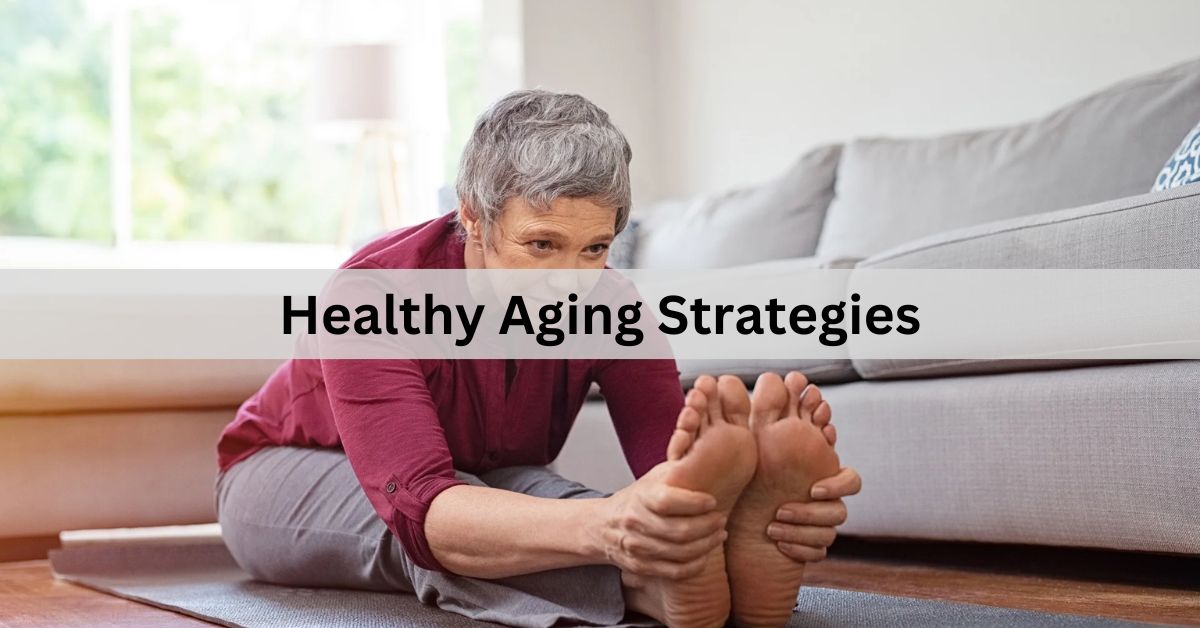
- Stretching or yoga
- Dancing at home
When you move your body, it releases “feel-good” chemicals called endorphins. These naturally improve your mood and reduce stress.
If you are wondering how to deal with stress and anxiety without medication, regular movement should be at the top of your list.
3. Take Control of Your Thoughts
Our thoughts play a huge role in how we feel. Anxiety often comes from overthinking or imagining worst-case scenarios.
Start noticing your thoughts:
- Are you assuming the worst?
- Are you overgeneralizing?
- Are you being too hard on yourself?
Try to replace negative thoughts with more balanced ones. For example:
- بدل: “Everything will go wrong”
- with: “I will handle things step by step”
This simple shift can reduce anxiety over time. Articles on https tododisca com often emphasize the importance of mindset in managing stress.
4. Create a Daily Routine
A lack of structure can increase anxiety. When your day feels out of control, your mind feels the same way.
Create a simple routine:
- Wake up at the same time
- Plan your tasks
- Take breaks
- Set a regular sleep schedule
You don’t need a perfect routine—just something consistent. This gives your brain a sense of stability and reduces uncertainty.
5. Limit Caffeine and Screen Time
Many people don’t realize that caffeine can increase anxiety. Too much tea, coffee, or energy drinks can make your heart race and worsen stress.
Also, too much screen time—especially social media—can overload your mind. Constant news and comparisons can increase anxiety.
Try:
- Reducing caffeine intake
- Taking breaks from your phone
- Avoiding screens before sleep
These small changes can make a big difference. Even platforms like https tododisca com often remind readers to balance digital habits for better mental health.
6. Practice Mindfulness and Relaxation
Mindfulness means focusing on the present moment instead of worrying about the past or future.
You can practice mindfulness by:
- Paying attention to your breathing
- Observing your surroundings
- Eating slowly and mindfully
Other relaxation techniques include:
- Meditation
- Listening to calming music
- Taking a warm shower
These activities help your mind slow down and reduce stress naturally.
7. Talk to Someone You Trust
Keeping everything inside can make anxiety worse. Talking to someone can bring relief.
You can talk to:
- A close friend
- A family member
- A mentor
You don’t need solutions—sometimes just being heard is enough.
Many people who share their experiences on https tododisca com mention how opening up helped them feel lighter and less alone.
8. Get Enough Sleep
Sleep and anxiety are closely connected. Poor sleep can increase stress, and stress can disturb sleep.
Improve your sleep by:
- Going to bed at the same time
- Avoiding screens before bed
- Keeping your room calm and dark
Aim for 7–9 hours of sleep. Good rest helps your brain handle stress better.
9. Spend Time in Nature
Nature has a calming effect on the mind. Even a short walk outside can reduce stress.
Try:
- Sitting in a park
- Walking under the sun
- Listening to birds
Being in nature helps you disconnect from daily pressure and reconnect with yourself
10. Be Kind to Yourself
Many people are their own biggest critics. This can increase anxiety.
Instead:
- Accept that you are not perfect
- Celebrate small achievements
- Give yourself time to grow
Learning how to deal with stress and anxiety without medication also means learning self-compassion.
Conclusion
Stress and anxiety are part of life, but they don’t have to control you. With simple habits like breathing, exercise, mindful thinking, and healthy routines, you can manage them naturally.
The journey takes time, but small steps every day can lead to big changes. As often discussed on platforms like https tododisca com, mental well-being is not about perfection—it’s about consistency and care.
Start with one or two techniques from this article and build from there. You have more control than you think.
FAQs
1. Can stress and anxiety really be managed without medication?
Yes, many people successfully manage stress and anxiety using natural methods like exercise, breathing techniques, and mindfulness. However, severe cases may still need professional help.
2. How long does it take to see results?
It depends on the person. Some techniques like breathing work immediately, while others like mindset changes take a few weeks of consistent practice.
3. What is the fastest way to calm anxiety?
Deep breathing and grounding techniques are among the fastest ways to calm anxiety in the moment.
4. Is exercise really helpful for anxiety?
Yes, exercise releases chemicals in the brain that improve mood and reduce stress naturally.
5. When should I seek professional help?
If anxiety becomes overwhelming, constant, or affects your daily life, it’s important to talk to a mental health professional.
- How VirtualAIA.com Helps Businesses Embrace AI
- Does Bynethi com Publish Technology News?
- Does EducationBeing.com Provide Career Guidance? A Complete Guide for Students and Professionals
- Does GlaadVoice.com Publish Technology News? A Complete Guide
- How to Find Pension Information on Tododisca.com – A Complete Beginner’s Guide