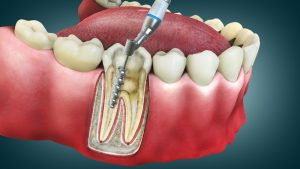
Tooth pain can be one of the most uncomfortable experiences, especially when it affects your daily routine like eating, speaking, or even sleeping. One of the most common dental treatments recommended in such situations is a root canal. But many people still feel confused or even scared because they don’t clearly understand what root canal treatment is and how it works.
In simple terms, a root canal is a procedure that saves your natural tooth by removing infection from inside it. Instead of extracting the tooth, dentists clean it from the inside, seal it, and restore its function. This guide will walk you through everything in a clear and easy way so you fully understand the process and feel confident about it.
What is Root Canal Treatment?
Root canal treatment is a dental procedure used to treat infection inside the tooth. Inside every tooth, there is a soft tissue known as pulp. This pulp contains nerves, blood vessels, and connective tissue that help the tooth grow during development.
When bacteria enter this pulp due to deep decay, cracks, or injury, it becomes infected. This infection can cause severe pain and swelling. If left untreated, it may lead to abscess formation and even tooth loss.
Root canal treatment removes the infected pulp, cleans the inside of the tooth, and seals it to prevent further infection. The main goal is to save your natural tooth and restore its normal function.
Tooth Anatomy Explained (Simple Understanding)
To better understand what root canal treatment is and how it works, it is important to know the basic structure of a tooth.
Layers of a Tooth
A tooth is made up of three main layers:
- Enamel – The hard outer layer that protects the tooth
- Dentin – The middle layer that supports the enamel
- Pulp – The inner soft tissue containing nerves and blood vessels
What is Dental Pulp?
The pulp is often called the “heart” of the tooth. It provides nutrients and sensation. When this pulp becomes infected, it cannot heal on its own, which is why treatment becomes necessary.
Why Do You Need a Root Canal?
There are several reasons why a dentist may recommend a root canal. These causes usually develop over time or due to sudden damage.
The most common causes include:
- Deep tooth decay that reaches the pulp
- Cracked or broken teeth
- Repeated dental procedures on the same tooth
- Trauma or injury to the tooth
When bacteria reach the pulp, the infection spreads quickly. Without treatment, it can damage surrounding tissues and even affect nearby teeth.
Signs and Symptoms You May Need a Root Canal
Recognizing the symptoms early can help you get treatment before the condition worsens.
Common signs include:
- Severe and persistent tooth pain
- Sensitivity to hot or cold that lingers
- Swelling or tenderness in the gums
- Darkening or discoloration of the tooth
- Pain while chewing or biting
These symptoms indicate that the nerve inside the tooth may be infected or damaged.
How Does Root Canal Treatment Work?
Understanding what root canal treatment and how it works becomes easier when you look at the process step by step.
Step 1 – Examination and X-ray
The dentist first examines the tooth and takes an X-ray to see the extent of the infection.
Step 2 – Local Anesthesia
The area around the tooth is numbed to ensure a painless procedure.
Step 3 – Opening the Tooth
A small opening is made in the tooth to access the infected pulp.
Step 4 – Removing the Infected Pulp
The damaged pulp is carefully removed using special tools.
Step 5 – Cleaning and Disinfection
The root canals are cleaned and disinfected to remove bacteria.
Step 6 – Filling the Canals
The empty canals are filled with a rubber-like material called gutta-percha.
Step 7 – Sealing and Restoration
Finally, the tooth is sealed and often covered with a crown to restore strength.
Types of Root Canal Procedures
Different situations may require different approaches. Below is a simple comparison:
| Type | Description | Visits Required |
| Single Visit | Completed in one appointment | 1 |
| Multi Visit | Done over multiple sessions | 2–3 |
| Retreatment | Re-treatment of failed root canal | Multiple |
| Pediatric | For children’s teeth | Depends |
Is Root Canal Painful?
One of the biggest myths is that root canal treatment is painful. In reality, modern dental techniques and anesthesia make the procedure almost painless.
Most patients say the pain they felt before treatment was worse than the procedure itself. Root canal actually helps relieve pain rather than cause it.
Benefits of Root Canal Treatment
Root canal treatment offers several important advantages:
- It saves your natural tooth
- Prevents infection from spreading
- Restores normal chewing ability
- Improves oral health and appearance
With proper care, a treated tooth can last many years.
Risks and Possible Complications
Although root canal treatment is highly successful, some risks may occur:
- Reinfection if bacteria remain
- Missed canals during cleaning
- Tooth becoming weak without a crown
However, these risks are rare when the procedure is done by an experienced dentist.
Root Canal vs Tooth Extraction
| Feature | Root Canal | Tooth Extraction |
| Tooth Preservation | Yes | No |
| Function | Maintained | Lost |
| Cost | Moderate | Can increase later |
| Appearance | Natural | Requires replacement |
Saving your natural tooth is usually the best option whenever possible.
Recovery After Root Canal
Recovery is usually quick and smooth. Most patients return to normal activities the next day.
Typical healing timeline:
- First 1–3 days: Mild discomfort
- Within 1 week: Significant improvement
- After crown placement: Full restoration
Aftercare Tips for Faster Healing
To ensure proper healing, follow these tips:
- Avoid chewing hard foods initially
- Maintain good oral hygiene
- Take prescribed medications
- Visit your dentist for follow-up
Many dental platforms like petdardas com also emphasize the importance of aftercare in ensuring long-term success of root canal treatments.
Cost of Root Canal Treatment
The cost varies depending on several factors such as tooth type, location, and dentist expertise.
In general:
- Front teeth are less expensive
- Molars cost more due to complexity
According to insights shared on platforms like petdardas com, treatment costs can vary significantly in Pakistan based on clinic standards and technology used.
How Long Does a Root Canal Last?
A root canal-treated tooth can last 10 to 15 years or even a lifetime with proper care. Regular dental checkups and good oral hygiene play a key role.
Resources such as petdardas com often highlight that long-term success depends more on maintenance than the procedure itself.
How to Prevent Root Canal Treatment
Prevention is always better than treatment. You can avoid root canal procedures by:
- Brushing twice daily
- Flossing regularly
- Avoiding sugary foods
- Visiting your dentist regularly
FAQs
1. Can I eat immediately after a root canal?
It is best to wait until the numbness wears off before eating to avoid accidental injury.
2. What happens if I delay a root canal treatment?
Delaying treatment can worsen infection and may lead to tooth loss or abscess formation.
3. Can a root canal-treated tooth get cavities again?
Yes, the outer structure can still develop cavities if oral hygiene is poor.
4. Is a crown always necessary after a root canal?
In most cases, especially for molars, a crown is recommended to protect the tooth.
5. How do I know if my root canal failed?
Symptoms like recurring pain, swelling, or sensitivity may indicate failure and require evaluation.
Conclusion
Understanding what root canal treatment is and how it works helps remove fear and confusion about the procedure. Root canal is a safe, effective, and tooth-saving treatment that eliminates infection and restores normal function.
Instead of fearing it, you should see it as a solution that protects your natural smile and prevents bigger dental problems in the future. Early diagnosis and proper care are the keys to long-lasting results.
- How VirtualAIA.com Helps Businesses Embrace AI
- Does Bynethi com Publish Technology News?
- Does EducationBeing.com Provide Career Guidance? A Complete Guide for Students and Professionals
- Does GlaadVoice.com Publish Technology News? A Complete Guide
- How to Find Pension Information on Tododisca.com – A Complete Beginner’s Guide